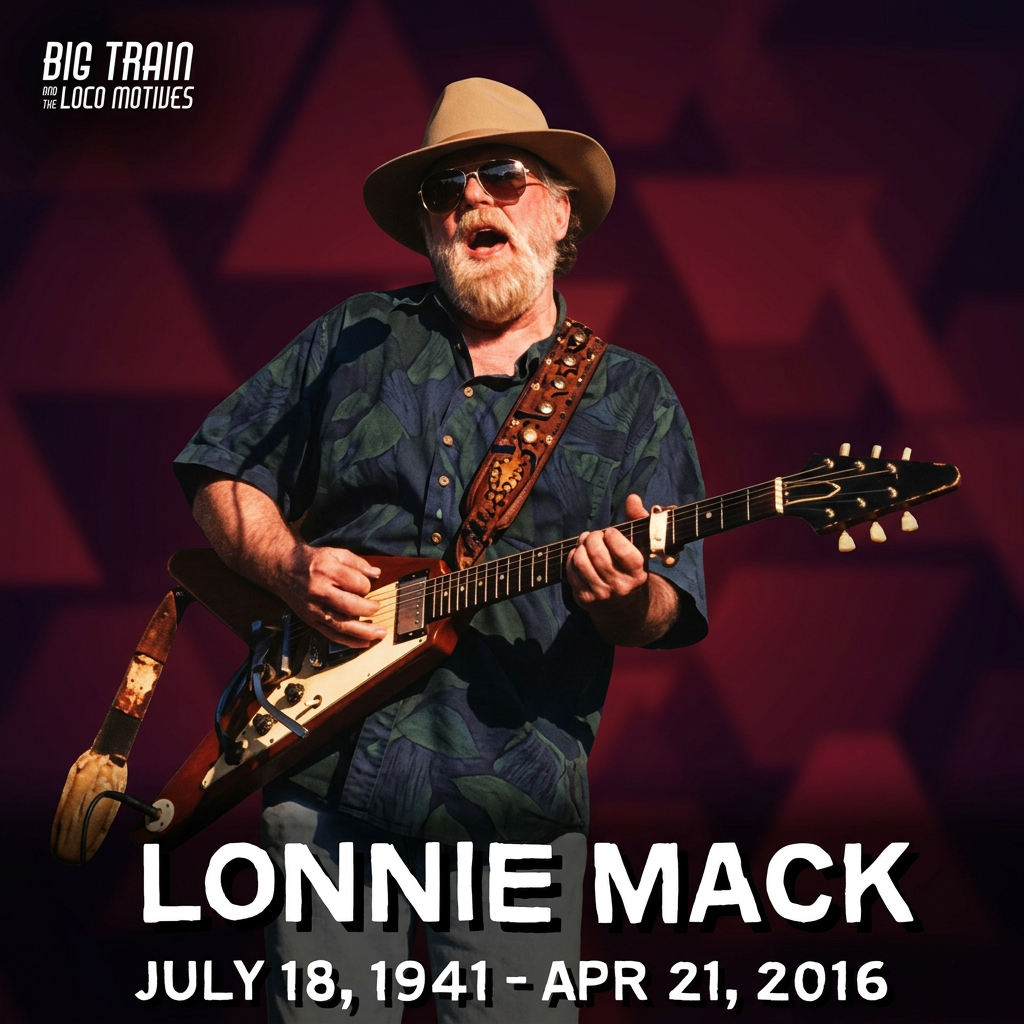
HEY LOCO FANS – Born Lonnie McIntosh on July 18, 1941, in West Harrison, Indiana, guitarist and singer Lonnie Mack became one of the most influential yet underrated pioneers of blues rock. Raised near the Ohio River after his family relocated from eastern Kentucky, Mack grew up surrounded by bluegrass, country, gospel, and rhythm and blues. He learned guitar at age seven after trading his bicycle for an inexpensive acoustic guitar and quickly mastered a wide range of styles. Those diverse influences became the foundation of a musical approach that blended blues, rockabilly, country, soul, and gospel into a sound unlike anything heard in the early 1960s.
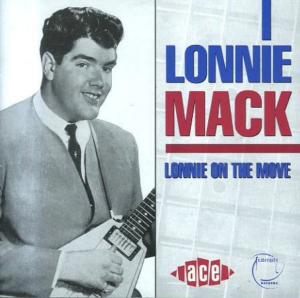 As a teenager, Mack was already performing professionally throughout Indiana, Kentucky, and Ohio. He eventually became an in-demand session guitarist in Cincinnati, recording with artists connected to King and Fraternity Records. During a Fraternity recording session in March 1963, he was given a few minutes of unused studio time and recorded an electrifying instrumental version of Chuck Berry’s “Memphis, Tennessee.” Released simply as “Memphis,” the record climbed into the Billboard Top Five and instantly established Mack as one of the most exciting new guitarists in America. Its equally explosive follow-up, “Wham!,” further demonstrated his blazing speed, fluid phrasing, and innovative use of the vibrato bar.
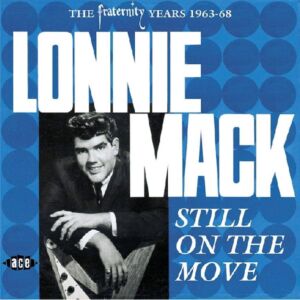 Later that year, Fraternity released The Wham of That Memphis Man, an album now widely regarded as one of the most influential guitar recordings of the rock era. Years before Eric Clapton, Jeff Beck, and Jimi Hendrix transformed electric guitar playing, Mack was combining country flat-picking, Delta blues, rockabilly, and soulful expression into extended lead guitar solos. His use of rapid-fire runs, dramatic string bends, and powerful sustain helped redefine what the electric guitar could accomplish in popular music. Many historians consider his instrumental recordings to be among the earliest examples of blues rock and Southern rock.
 Although his guitar work was revolutionary, Mack was also a deeply expressive singer. Songs such as “Why,” “Where There’s a Will,” and “Baby, What’s Wrong” revealed a passionate, gospel-influenced voice that earned him recognition as one of the pioneers of blue-eyed soul. Unfortunately, the arrival of the British Invasion in 1964 overshadowed many American rock pioneers, and Mack never achieved the commercial success his groundbreaking musicianship deserved.
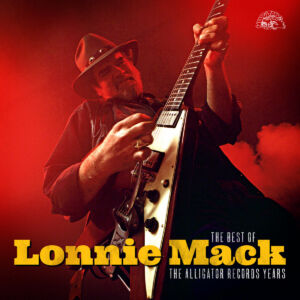 A resurgence came in the late 1960s when Rolling Stone praised his work and Elektra Records signed him. Although his Elektra albums showcased his versatility, they never matched the impact of his early recordings. Mack stepped away from the national spotlight during much of the 1970s, working as a performer, sideman, producer, and venue owner while continuing to refine his craft.
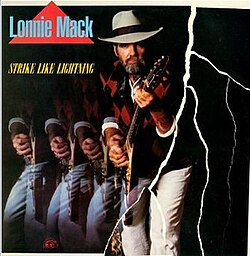
His career enjoyed a major revival in 1985 with the acclaimed album Strike Like Lightning, co-produced with his friend and admirer Stevie Ray Vaughan. The album reminded audiences of Mack’s extraordinary talent and led to high-profile tours alongside Roy Buchanan, Albert Collins, and Dickey Betts. Throughout his career, guitar legends including Vaughan, Keith Richards, Duane Allman, Jeff Beck, and Eric Clapton acknowledged his influence on their own playing.
Lonnie Mack continued performing into the early 2000s before retiring from regular touring. He died on April 21, 2016, in Tennessee at the age of 74. Though he never became a household name, his pioneering guitar work, soulful vocals, and fearless blending of blues, country, gospel, and rock permanently changed the language of electric guitar. Today, he is remembered as one of the true innovators whose groundbreaking recordings helped shape modern blues rock and inspired generations of musicians.
Lonnie Mack – “Stop”
Live Carnegie Hall, 1985
Related Posts