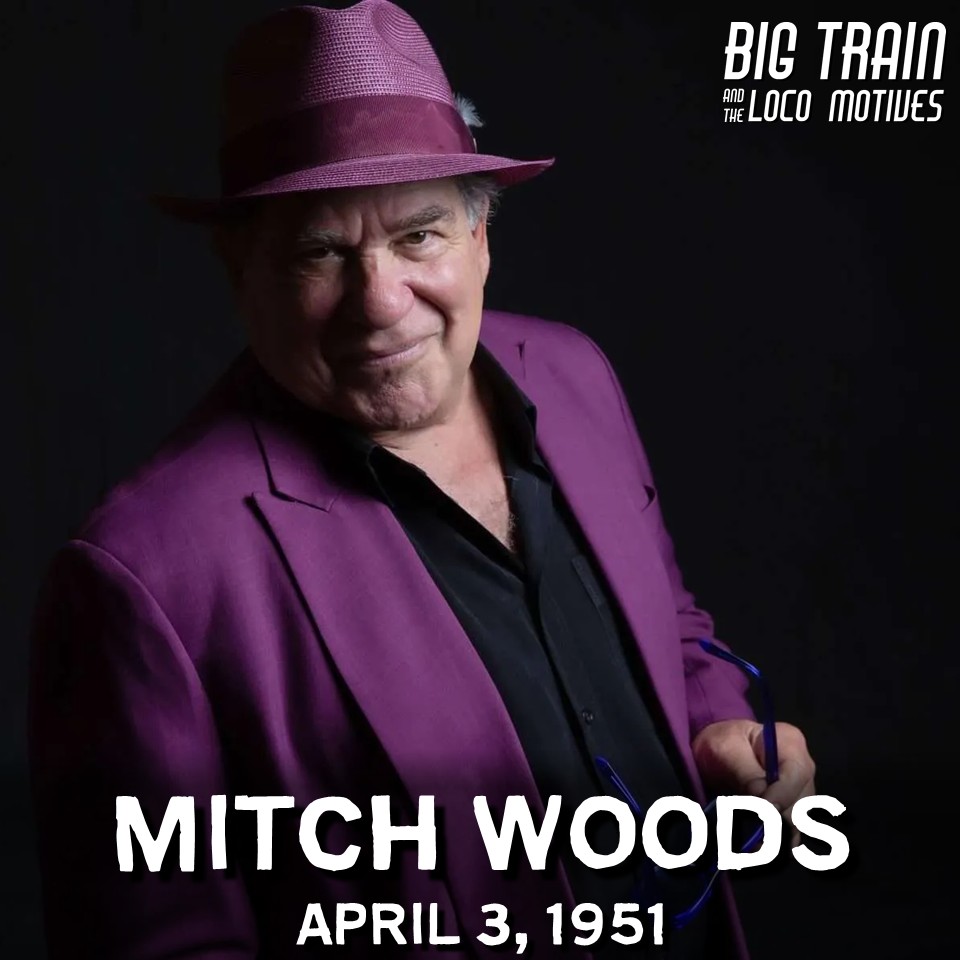
HEY LOCO FANS – Mitch Woods, born April 3, 1951, in Brooklyn, New York, has spent decades acting as a musical time machine, keeping the rolling, high-octane sound of boogie-woogie and jump blues alive in an era that often forgets where its backbeat came from. His self-described style, “rock-a-boogie,” isn’t just a clever label, it’s a deliberate fusion of pre-rock rhythm and blues, New Orleans piano traditions, and the swagger of early rock and roll.
 Woods’ early musical life began with classical piano training, a foundation that gave him the technical control needed for the fast, percussive attack of boogie-woogie. But like a lot of great blues players, the turning point came when he heard something that felt less like homework and more like electricity. Artists such as Fats Domino and Louis Jordan introduced him to a world where the piano didn’t sit politely in the background, it drove the whole show. That influence pushed Woods toward the rhythmic left-hand patterns of boogie-woogie and the horn-driven swing of jump blues, styles rooted in the 1930s through 1950s but still capable of shaking a modern room.
In 1971, Woods made a pivotal move to San Francisco, a city whose club scene at the time embraced musical experimentation and revivalism in equal measure. The Bay Area was fertile ground for artists digging into American roots music, and Woods quickly carved out a niche with his high-energy performances. He wasn’t trying to modernize the blues by stripping it down, he was reviving its party spirit, the dancehall energy that once made jump blues one of the most popular sounds in America.
 That vision took full shape in 1980 with the formation of Mitch Woods & His Rocket 88s. The band’s name itself is a nod to the early rhythm and blues era, echoing the spirit of songs like “Rocket 88,” often cited as one of the first rock and roll records. With players like guitarist HiTide Harris helping define the sound, the group became known for tight arrangements, punchy rhythms, and a stage show that leaned as much into entertainment as musicianship.
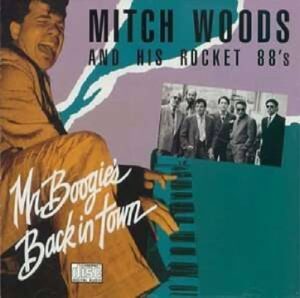
Their debut album, Steady Date with Mitch Woods & His Rocket 88s (1984), arrived at a time when blues was being rediscovered by new audiences, and it positioned Woods as part historian, part revivalist, and part showman. Rather than treating the music like a museum piece, he approached it as living, breathing dance music. That philosophy carried through albums like Mr. Boogie’s Back in Town (1988), Solid Gold Cadillac (1991), and Shakin’ the Shack (1993), each one reinforcing his commitment to the exuberant side of blues and R&B.
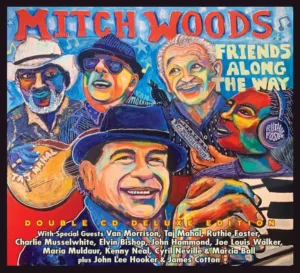 Woods’ connection to New Orleans rhythm and blues became even more pronounced in later recordings such as Big Easy Boogie and Keeper of the Flame. These works reflect the deep influence of Crescent City piano traditions, blending rolling rhythms with a loose, celebratory feel. In that sense, Woods stands in a lineage that runs through players like Professor Longhair and Dr. John, musicians who turned piano into both a rhythmic engine and a storytelling device.
Beyond recordings, Woods has built his reputation on live performance. Known for pounding the keys with infectious enthusiasm, he approaches the stage like a bandleader from the swing era, engaging audiences, driving the rhythm, and turning every show into a party. That commitment has earned him multiple nominations for the Blues Music Awards, particularly in the Pinetop Perkins Piano Player of the Year category, a fitting recognition given his dedication to traditional piano blues styles.
 Perhaps the most remarkable aspect of Mitch Woods’ career is his consistency. While musical trends have come and gone, he has stayed rooted in a sound that predates rock stardom, MTV, and digital streaming. Yet it never feels dated. Instead, his music serves as a reminder that the DNA of modern popular music, rock, R&B, even parts of jazz, can be traced back to the rolling left hand of boogie-woogie and the upbeat swing of jump blues.
Still touring internationally with the Rocket 88s, Woods continues to introduce new audiences to a style that thrives on joy, rhythm, and connection. In a musical landscape that often looks forward, he proves that sometimes the most exciting direction is straight back to where the groove began.
Mitch Woods & his Rocket 88s
Crescent City Blues & BBQ Fest
Related Posts