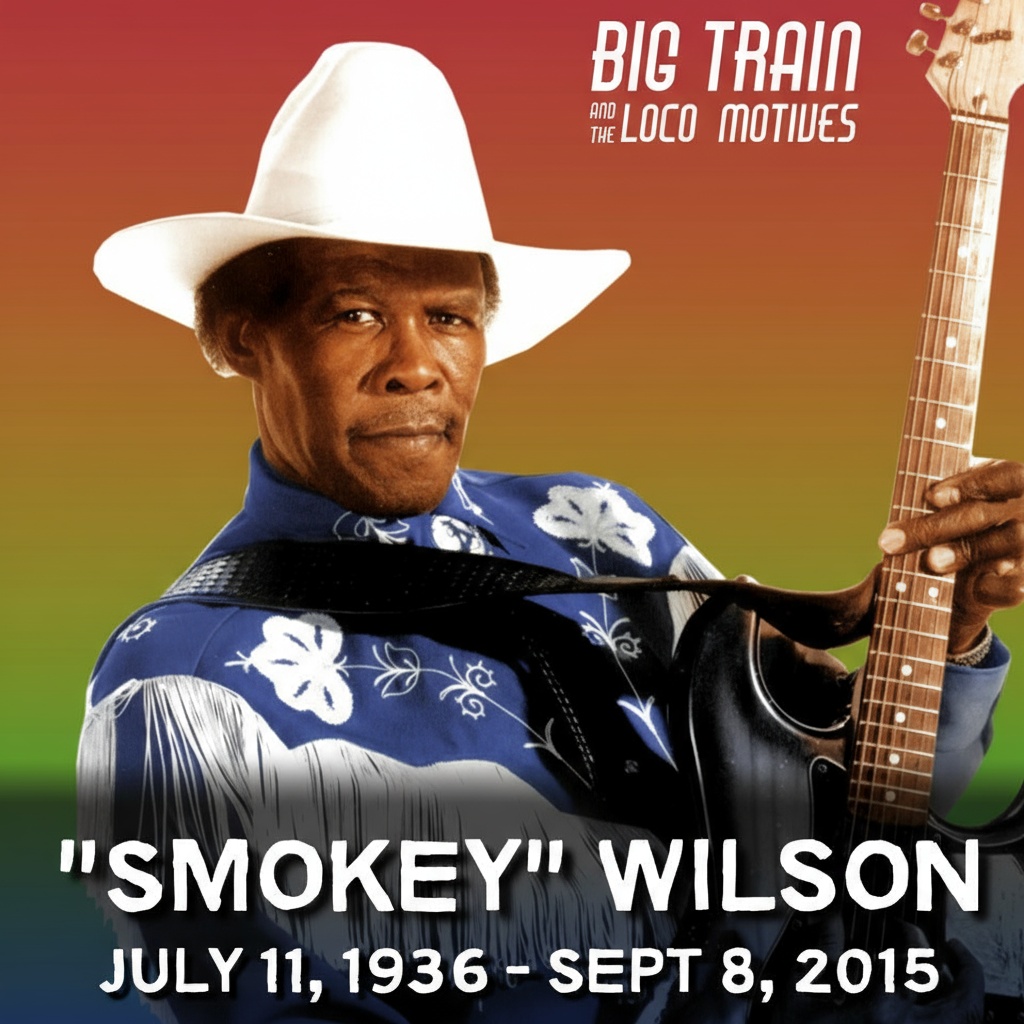
HEY LOCO FANS – Robert Lee “Smokey” Wilson was one of the last great links between the Mississippi Delta juke joint tradition and the electric West Coast blues scene. Born on July 11, 1936, in Glen Allan, Mississippi, and raised in nearby Lake Village, Arkansas, Wilson absorbed the raw, deeply rooted sounds of the Delta while growing up in the heart of cotton country. His father bought him his first guitar when he was a child, and by his teenage years Wilson was already performing at local clubs, fish fries, and rural dances. Those early experiences shaped a powerful guitar style and booming vocal delivery that remained unmistakably Southern throughout his career.
 Before moving west, Wilson played alongside some of the Delta’s finest musicians, including Roosevelt “Booba” Barnes, Big Jack Johnson, Frank Frost, and Sam Carr. Their hard-driving juke joint blues emphasized groove, feeling, and storytelling over flashy technique, qualities Wilson carried with him for the rest of his life. In 1970, following his mother’s death, he relocated to Los Angeles, hoping to build a full-time music career while introducing authentic Delta blues to California audiences.
 Rather than immediately pursuing national fame, Wilson invested in the local blues community by opening the Pioneer Club in the Watts neighborhood of Los Angeles. For nearly two decades he served as owner, talent buyer, and guitarist for the house band, turning the club into one of Southern California’s premier blues venues. Legendary performers including Big Joe Turner, Percy Mayfield, Pee Wee Crayton, Albert Collins, Big Mama Thornton, George “Harmonica” Smith, Johnny Dyer, and Lowell Fulson all appeared there. Wilson later joked, “I bring the cotton field with me, and I got the juke joint inside,” a phrase that perfectly described both his music and his philosophy.
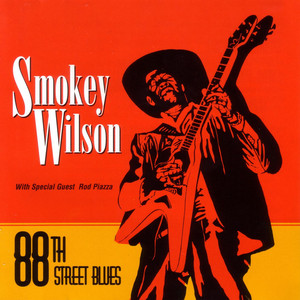
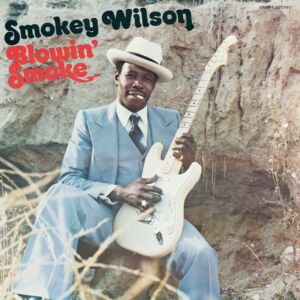 Wilson’s recording career began modestly with Blowin’ Smoke (1977) and Sings the Blues (1978) for Big Town Records, albums that showcased his gritty vocals and stinging guitar work but received only limited distribution. His 1983 release, 88th Street Blues, featured harmonica master Rod Piazza, who also produced the session, along with guitarist Hollywood Fats. Although highly regarded by blues fans, Wilson remained largely unknown outside the West Coast blues circuit.
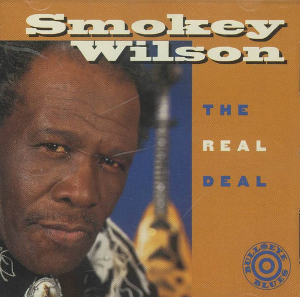
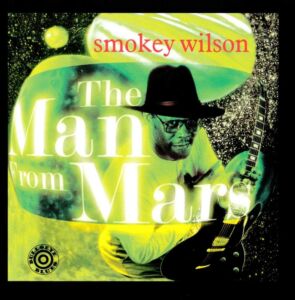 Everything changed during the 1990s when Wilson signed with Bullseye Blues. His albums Smoke n’ Fire (1993), The Real Deal (1995), and The Man from Mars (1997) introduced him to an international audience and established him as one of the finest “late bloomers” in modern blues. Critics praised his fiery guitar tone, powerful singing, and authentic Delta feel wrapped in polished West Coast arrangements. By then in his late fifties, Wilson was finally receiving the recognition many believed he had deserved for decades.
Wilson also gained wider exposure through appearances on the PBS special Three Generations of Blues, sharing the screen with Robert Cray and John Lee Hooker. He performed at the San Francisco Blues Festival in 1978 and the Long Beach Blues Festival in 1980, 1981, and 1999, while also appearing in television commercials and a Babyface music video. His warm personality and commanding stage presence made him a favorite among festival audiences and fellow musicians alike.
Smokey Wilson continued performing well into his seventies, never abandoning the Mississippi spirit that defined his music. He died peacefully in his sleep on September 8, 2015, at his Los Angeles home. Though commercial success came later than for many of his contemporaries, Wilson left behind an enduring legacy as one of the finest interpreters of Delta-rooted West Coast blues, preserving the sound and soul of the juke joint for new generations of listeners.
Smokey Wilson – Cafe Campus Blues – Montreal – Canada (1997)
Robert Smokey Wilson (guitar & vocal), Millard Jackson (guitar), Ronald McMillan (keyboard), James Scott (bass) and Aaron Tucker (drums)
Related Posts