
HEY LOCO FANS – James Henry Cotton, born July 1, 1935, on the Bonnie Blue Plantation near Tunica, Mississippi, became one of the most electrifying harmonica players in blues history. Known worldwide as “Mr. Superharp,” Cotton transformed the harmonica from a supporting instrument into a commanding lead voice, combining explosive technique, relentless energy, and an unforgettable stage presence. During a career spanning more than six decades, he helped define the sound of Chicago blues while inspiring generations of musicians across the blues, rock, and Americana worlds.
 Cotton was born into a family of sharecroppers and lost both of his parents before the age of ten. Fascinated by the sound of Sonny Boy Williamson II, whose broadcasts on the King Biscuit Time radio program reached throughout the Mississippi Delta, the young Cotton set out to find his hero in West Helena, Arkansas. Although Cotton later admitted he had embellished parts of the story, Sonny Boy Williamson II became his mentor, teaching him harmonica techniques and giving him invaluable experience performing before live audiences. Those early lessons laid the foundation for one of the most recognizable harmonica styles ever recorded.
By his teens, Cotton was already performing professionally throughout Arkansas and Mississippi. He recorded his first sides for Sun Records under the direction of Sam Phillips, including the driving “Cotton Crop Blues,” which showcased both his aggressive harmonica attack and the distorted guitar work of Pat Hare. These recordings hinted at the harder-edged electric blues that would soon emerge from Memphis and Chicago.
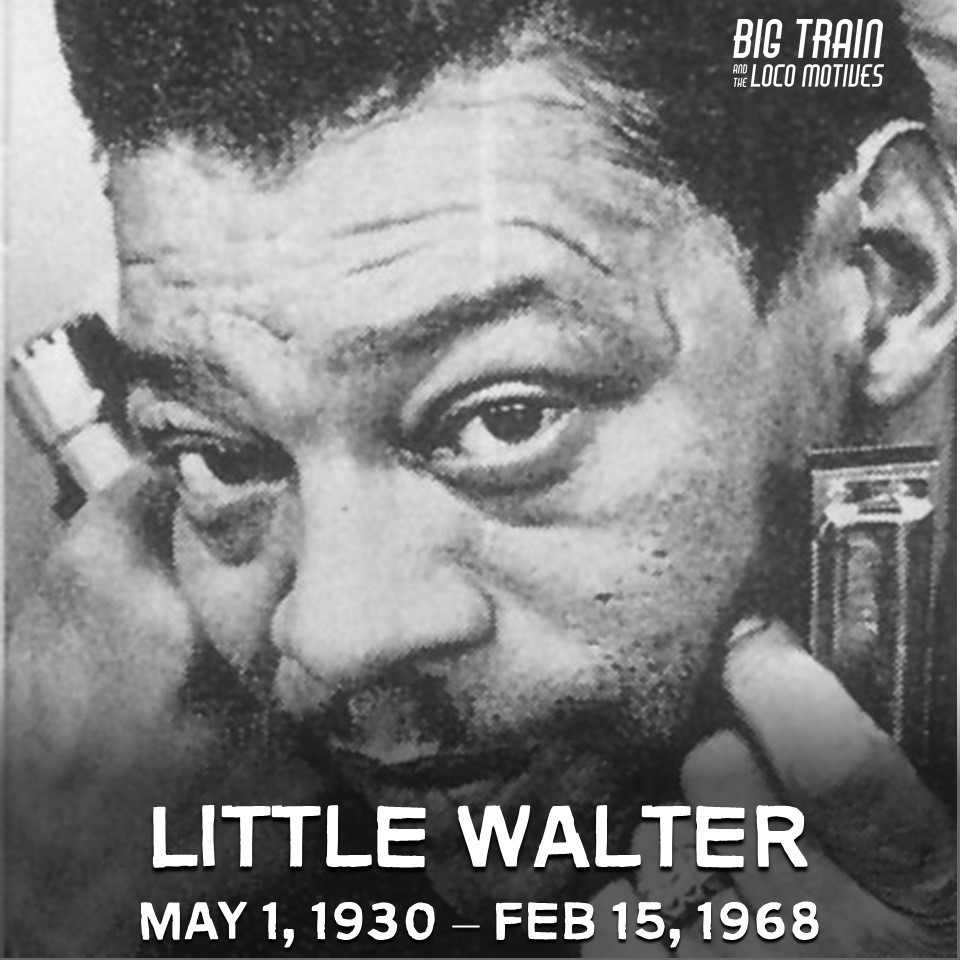
Cotton first gained national attention while performing with Howlin’ Wolf before receiving the opportunity that would define the next chapter of his career. In 1955, Muddy Waters invited him to Chicago to join his legendary band, replacing Little Walter, a virtually impossible assignment considering Walter’s revolutionary influence on blues harmonica. Rather than imitate his predecessor, Cotton forged his own identity through sheer power, volume, and rhythmic drive. During his twelve years with Waters, he became one of the band’s defining voices, touring internationally and appearing on classic recordings while helping establish Chicago as the epicenter of modern electric blues. He also appeared on the landmark album At Newport 1960, which introduced countless new listeners to authentic Chicago blues.
 While still performing with Waters, Cotton formed the Jimmy Cotton Blues Quartet with pianist Otis Spann to record between tour dates. The group’s performances appeared on the influential Chicago/The Blues/Today! series, documenting the city’s thriving blues scene during the mid-1960s. In 1966, Cotton left Waters to devote himself to leading his own band full time, launching the James Cotton Blues Band, an outfit that blended traditional Chicago blues with soul, rhythm and blues, horn arrangements, funk, and the growing blues-rock movement.
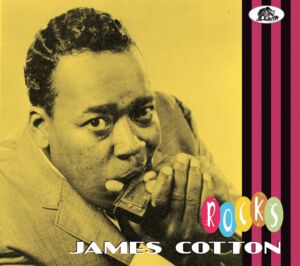
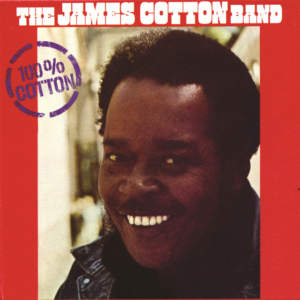
Throughout the late 1960s and 1970s, Cotton became one of blues music’s hardest-working performers. Albums such as The James Cotton Blues Band, Pure Cotton, 100% Cotton, High Energy, and Live & On the Move showcased not only his commanding harmonica playing but also his dynamic bandleading. His concerts were legendary for their intensity. Cotton danced across the stage, challenged his band members, played extended improvisations, and connected with audiences through an infectious enthusiasm that made every performance feel like a celebration. His nickname, “Mr. Superharp,” was well deserved.
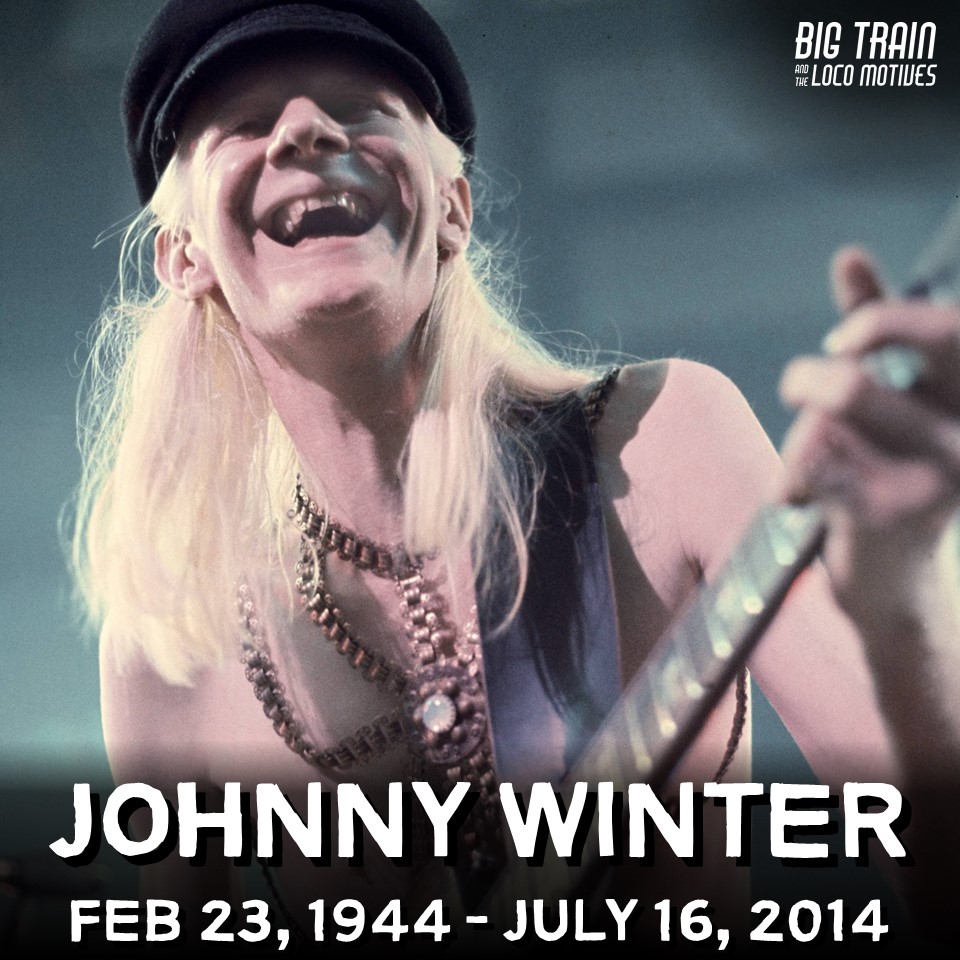
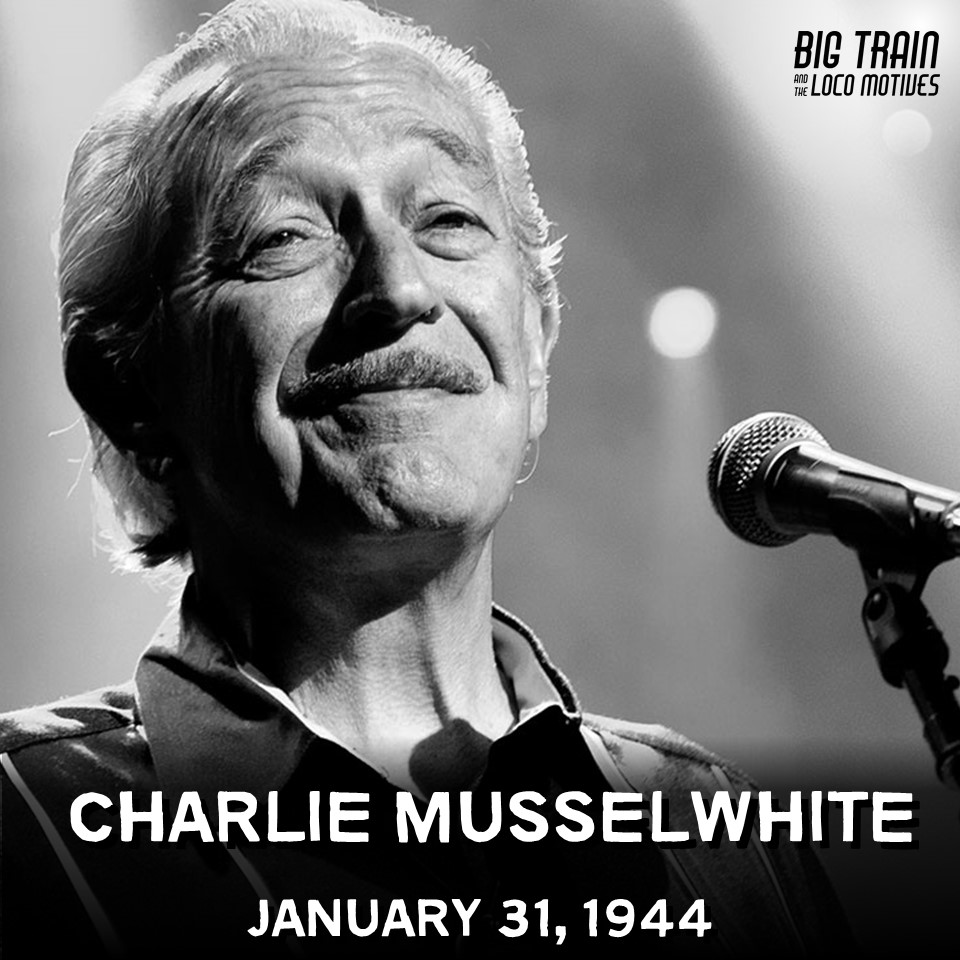
Cotton’s reputation led to collaborations with an extraordinary list of musicians. He recorded and performed alongside B.B. King, Freddie King, Johnny Winter, Janis Joplin, Santana, Gregg Allman, Joe Bonamassa, Charlie Musselwhite, Junior Wells, Carey Bell, Billy Branch, Delbert McClinton, Taj Mahal, and members of Led Zeppelin, among many others. He also reunited with Muddy Waters to play harmonica on Waters’ Grammy Award-winning 1977 album Hard Again, produced by Johnny Winter, one of the defining blues recordings of the decade.
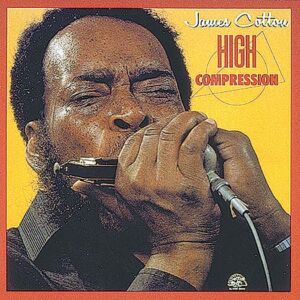
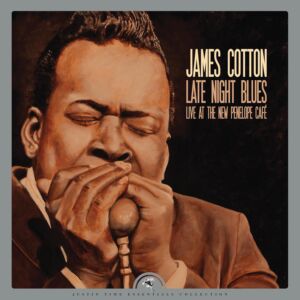 The 1980s and 1990s brought another creative peak. Recording for Alligator Records, Blind Pig, Verve, and later Telarc, Cotton released acclaimed albums including High Compression, Live From Chicago: Mr. Superharp Himself!, Take Me Back, Harp Attack!, and Living the Blues. His 1990 collaboration Harp Attack! united four of Chicago’s greatest harmonica masters, Cotton, Junior Wells, Carey Bell, and Billy Branch, creating one of the most celebrated harmonica albums ever released.
In the mid-1990s, Cotton faced one of the greatest challenges of his life when he underwent surgery and radiation treatments for throat cancer. The procedures largely ended his ability to sing, but they never diminished his determination to perform. Rather than retire, he adapted by relying on guest vocalists and members of his touring band while allowing his harmonica to become an even more expressive voice. His performances remained as energetic as ever, proving that his instrument alone could communicate joy, heartbreak, humor, and resilience.
 Recognition continued to follow. Deep in the Blues earned the Grammy Award for Best Traditional Blues Album, while Giant and Cotton Mouth Man both received Grammy nominations. He accumulated numerous Blues Music Awards, had one of his harmonicas added to the Smithsonian Institution’s permanent collection, and was inducted into the Blues Hall of Fame in 2006. In 2010, New York’s Lincoln Center honored him with an all-star tribute concert featuring many of the musicians he had influenced throughout his remarkable career.
Even into his seventies and early eighties, Cotton continued touring extensively across the United States and Europe. His final studio album released during his lifetime, Cotton Mouth Man (2013), featured guest appearances by Gregg Allman, Joe Bonamassa, Warren Haynes, Ruthie Foster, Delbert McClinton, Keb’ Mo’, Chuck Leavell, and Colin Linden, demonstrating the enormous respect he commanded from musicians across multiple generations.
James Cotton died of pneumonia in Austin, Texas, on March 16, 2017, at the age of 81. His influence remains immeasurable. Modern blues harmonica players continue to study his powerful tone, fearless improvisation, and unmatched stage presence. Whether performing beside Muddy Waters, leading his own hard-driving band, or inspiring younger musicians around the globe, James Cotton elevated the harmonica to new artistic heights and secured his place among the greatest blues musicians of all time.
James Cotton
Big Boss Man – James Cotton Band with Steve Miller | The Midnight Special
Related Posts