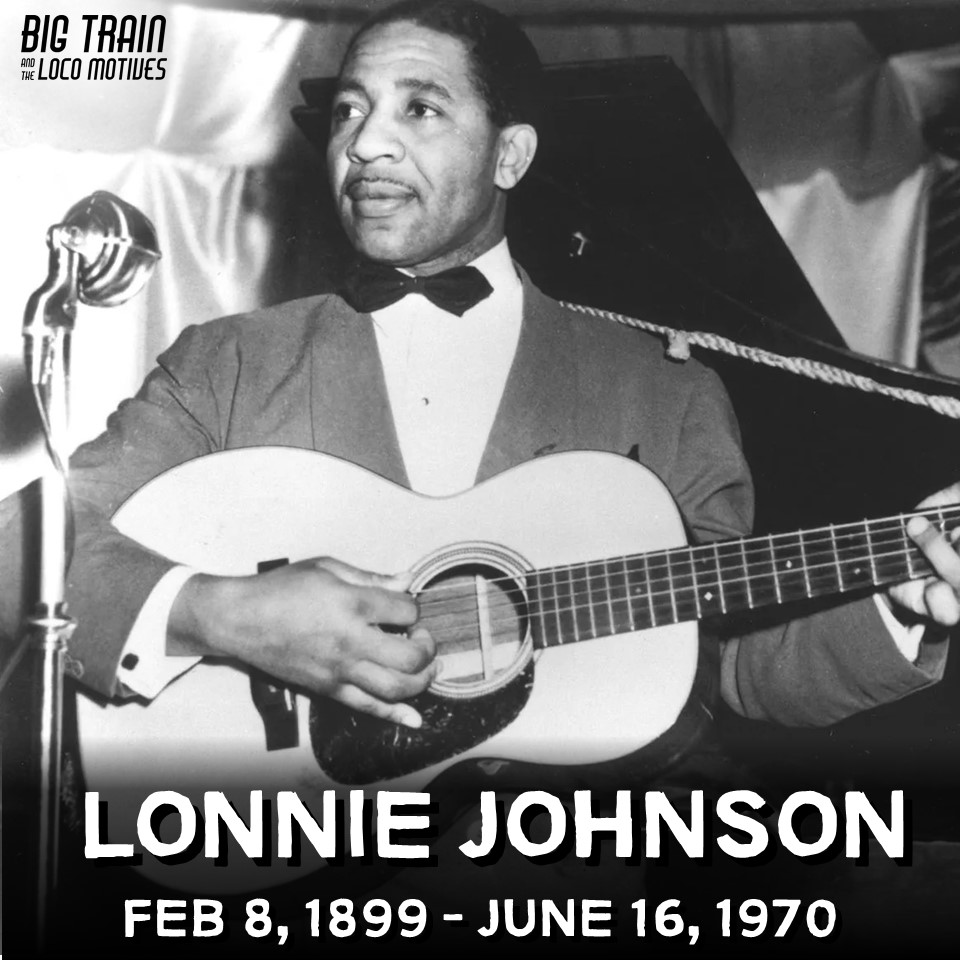

HEY LOCO FANS – Bluesman Henry “Mule” Townsend was born on October 27,1909. This blues singer, guitarist and pianist was influenced by Roosevelt Sykes and Lonnie Johnson. He was a commanding musician, adept on both piano and guitar. During the ’20s and ’30s, Townsend was one of the musicians that helped make St. Louis one of the blues centers of America.
 Townsend arrived in St. Louis when he was around ten years old, just before the ’20s began. By the end of the ’20s, he had landed a record contract with Columbia, cutting several sides of open-tuning slide guitar for the label.
During this time, Townsend began playing the piano, learning the instrument by playing along with Roosevelt Sykes records. Within a few years, he was able to perform concerts with pianists like Walter Davis and Henry Brown . During the ’30s, Townsend was a popular session musician, performing with many of the era’s most popular artists. By the late ’30s, he had cut several tracks for Bluebird. Those were among the last recordings he ever made as a leader.
During the ’40s and ’50s, Townsend continued to perform and record as a session musician. Townsend became a staple on the blues and folk festivals in America, which led to a comeback. He cut a number of albums for Adelphi and he played shows throughout America. Townsend had become an elder statesmen of St. Louis blues by the early ’80s, still recording and playing a handful of shows every year.
 That’s the Way I Do It, a documentary about Townsend, appeared on public television in 1984. During the late ’80s, Townsend was nearly retired, but he continued to play the occasional concert until his death.
Townsend died on September 24, 2006, at the age of 96, at St. Mary’s Ozaukee Hospital, in Mequon, Wisconsin, just hours after having been the first person to be presented with a “key” in Grafton’s Paramount Plaza Walk of Fame.
Henry Townsend | Living St. Louis
Living St. Louis producer Jim Kirchherr looks back at the life and work of blues legend Henry Townsend. He recalls his childhood before pursuing music and how the 1960’s blues revival brought him out of retirement.

Related Posts